
Introducing the Inaugural Cycle of the Indiana Quality of Place Learning Partnership
Indiana is investing in quality of place at a scale never seen before.
Since 2021, the State of Indiana and Lilly Endowment Inc. have committed $1.25 billion to quality of place through READI, and by IEDC's count, the first round alone is drawing $12.6 billion in total investment from state, local, private, and philanthropic sources. Lilly Endowment has committed $400 million more to a statewide community parks initiative, $146 million through six colleges and universities for community place projects, and roughly $100 million to Indianapolis parks since 2009.
“Indiana is making historic investments in regional strategies, community development and quality of place through READI. These developments are already taking shape across the state as we celebrate groundbreakings and ribbon cuttings that are bringing to life new affordable housing, parks and trails, community programs and more. As we look toward the future, we’re focused on leveraging data to measure the economic impact of these investments and create a framework for what comes next.” Indiana Governor Mike Braun
It is much easier for communities to count what they have built, but much harder to describe what has changed in those communities.
The question now is which of these investments will still be creating civic and economic value far into the future, and why.
The Indiana Quality of Place Learning Partnership exists to help communities understand what makes their own investments in place durable over time.
Through the Learning Partnership, five Indiana cities will find out together and share what they learn with all fifteen READI regions.
The Civic Design Institute is built to share what we learn across Indiana and beyond.
-
A working cohort of five communities, each led by its mayor, launched in October 2026. Columbus, Michigan City, Muncie, Rushville, and Terre Haute each bring one live civic project. The cohort advances those projects together, tests ways of measuring quality of place against them, and publishes what it learns so other Indiana communities can use it.
Civic Design Institute leads the partnership with the Indiana Economic Development Corporation and the Indiana Arts Commission. The partnership runs through 2028, with a second Prove It Summit planned for 2029.
-
Each community hosts the cohort at least once. The host city puts its project in the room, in the open, and the other four mayors and a national design faculty work on it. Columbus hosts first, at the Prove It Summit in October 2026. The remaining four host through 2027 and 2028.
Between visits, the cohort builds and tests a starter set of indicators for quality of place. It is a draft on purpose.
-
Three questions run through the work.
Which conditions have to be in place before a community can make good decisions about its built environment and keep making them.
What quality of place looks like when you try to measure it, and which measures hold up once you apply them to a real project.
What a community can do without. Columbus had an unusual benefactor and an unusual company. Most places have neither, so we want to know which parts of the method survive their absence.
We expect that some of our method will fail, and we will learn from that, too.
-
A mayor, in person
Four additional delegates from across sectors, chosen by the mayor
One live project, with its real constraints and its real trade-offs
A turn hosting the cohort
A willingness to publish what did and did not work
-
A starter set of indicators for measuring quality of place, tested in five Indiana communities rather than argued in the abstract. Case studies from each project that name the trade-offs rather than the ribbon cuttings. A record other Indiana communities can read before they spend their own READI and Community Parks dollars.
-
We plan to bring the cohort back together in 2029 for the second Prove It Summit, where the mayors present what the work produced.
-
The inaugural cohort is set. Communities interested in future cohorts, and organizations interested in supporting the work, may email Beth Hughes (beth@landmarkcolumbus.org), Director of Civic Connections.
Representatives from all fifteen of Indiana's READI regions are invited to participate in the Prove It Summit and learn alongside the five cities. Civic Design Institute will publish the outcomes and share them widely.
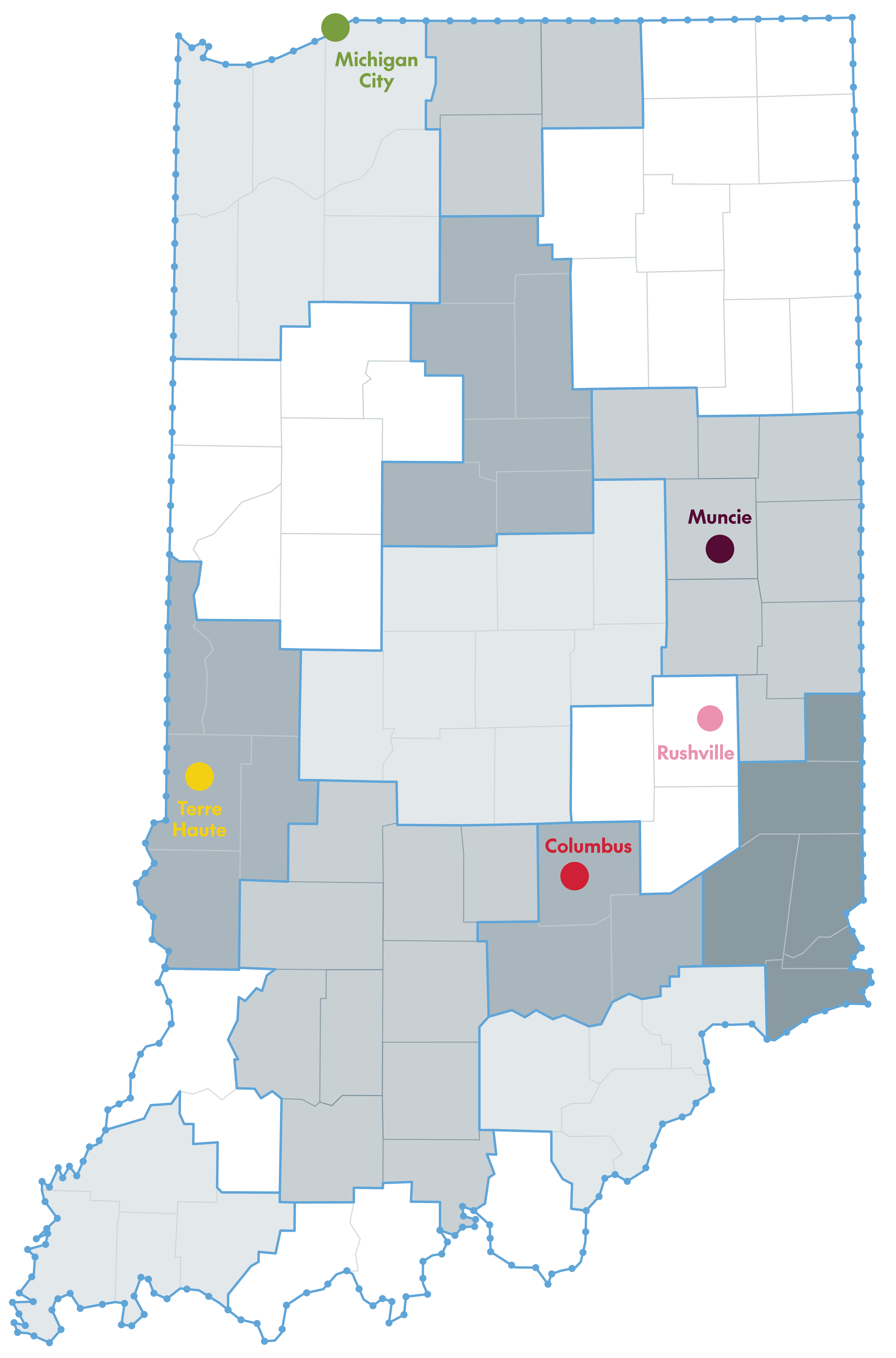
Columbus South Central
Michigan City Northwest
Muncie East Central
Rushville Accelerate Rural Indiana
Terre Haute Wabash River
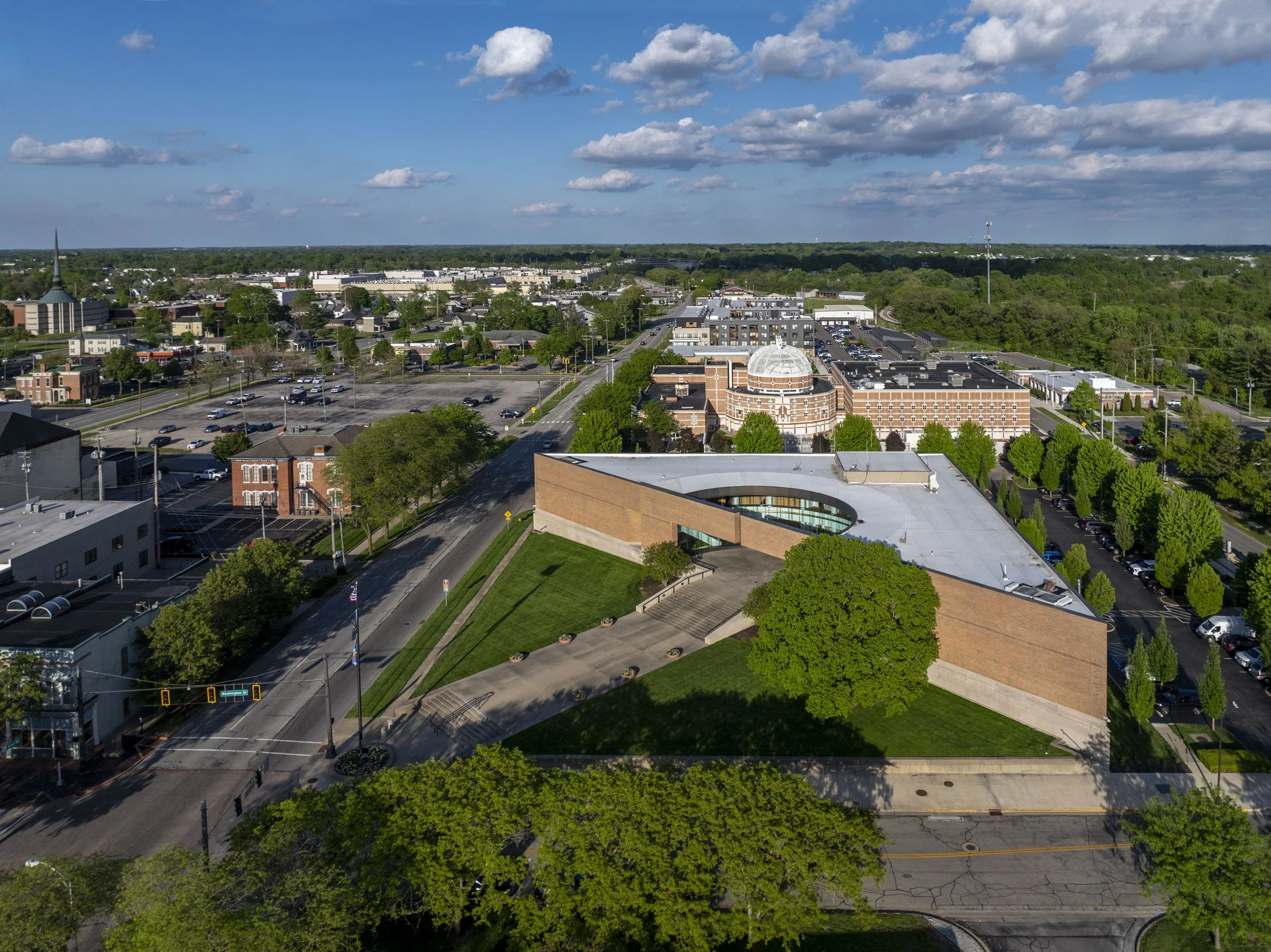
Columbus, Indiana
Columbus, in south-central Indiana, is a city of about fifty thousand people with more than sixty buildings and public spaces of international design distinction with work by architects such as Eero Saarinen and I.M. Pei.
Columbus, Indiana
Mayor Mary Ferdon
Mary Ferdon became Columbus's thirty-eighth mayor in January 2024, after eight years directing the city's administration and community development, leading 450 employees who deliver the city's infrastructure, parks, and services. She holds a master's degree in urban administration.
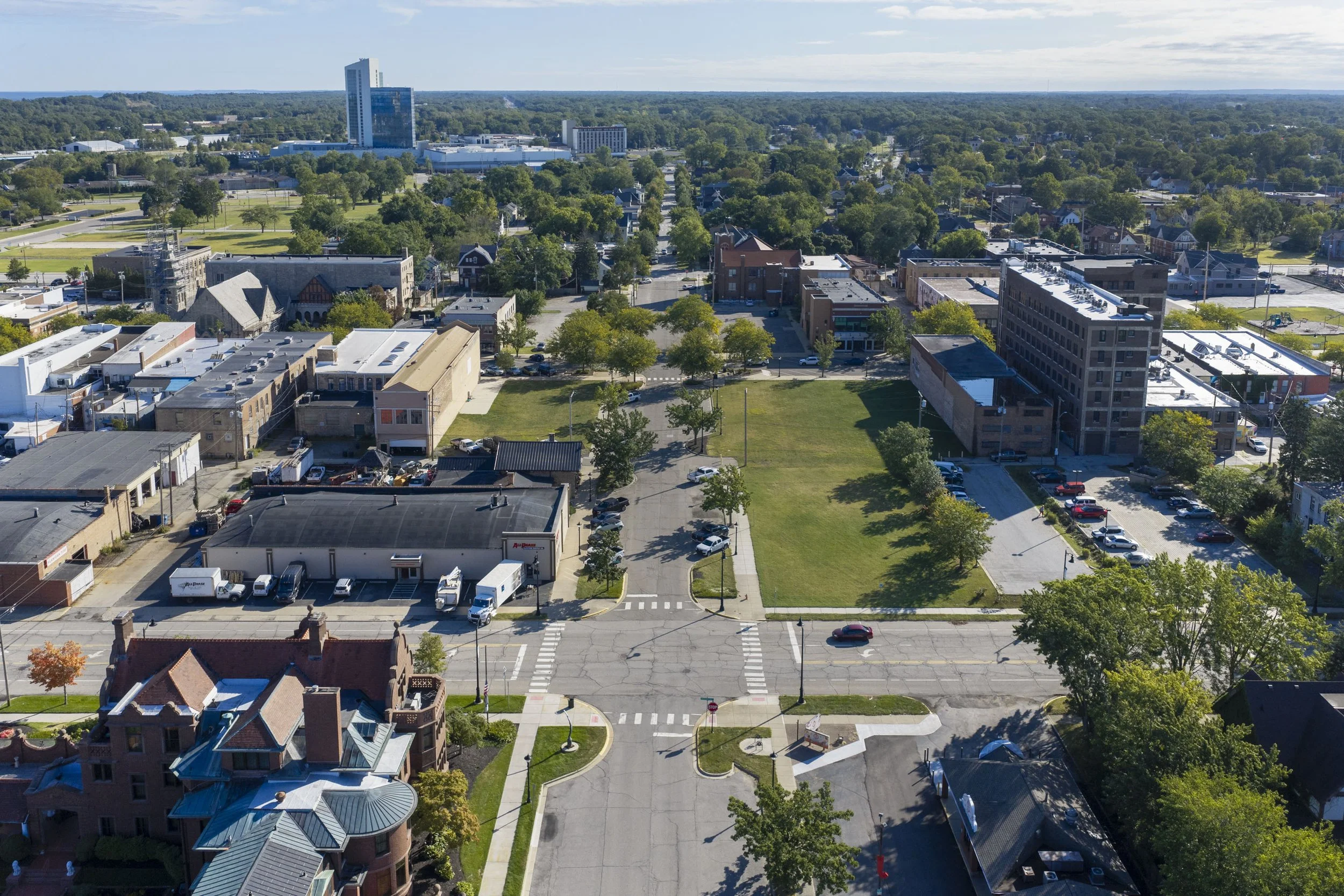
Michigan City, Indiana
Michigan City sits on the Lake Michigan shoreline in northwest Indiana, home to about thirty-two thousand people, Indiana's only operating lighthouse, and a historic downtown shaped by nineteenth-century commerce and recent waterfront revitalization.
Michigan City, Indiana
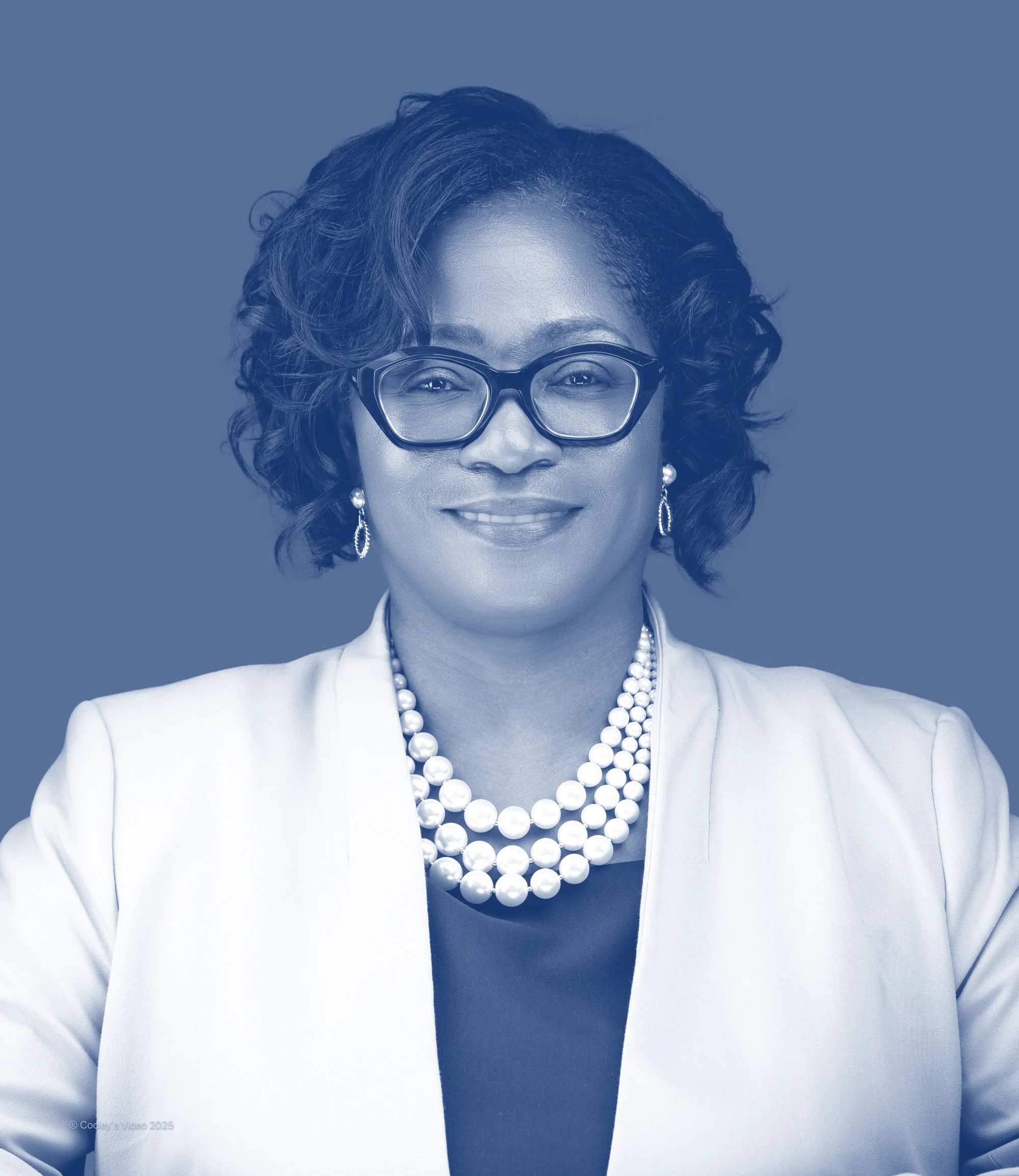
Mayor Angie Nelson Deuitch
Angie Nelson Deuitch became Michigan City's first African American mayor in January 2024, after two terms on its Common Council and more than twenty-five years of leadership in telecommunications, utilities, and the nonprofit sector. She holds degrees in electrical engineering and public affairs.
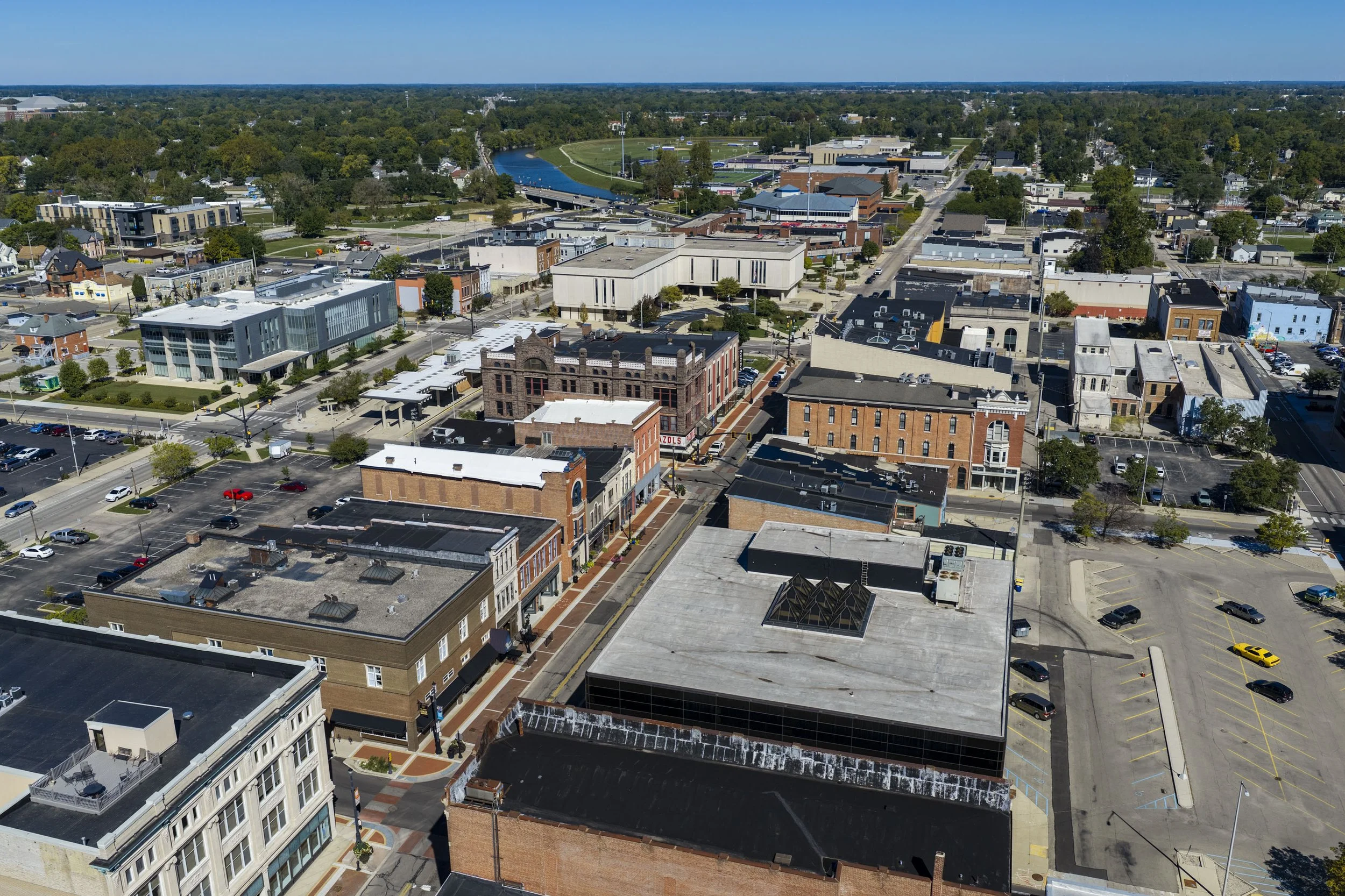
Muncie, Indiana
Muncie, in east-central Indiana, is home to about sixty-five thousand people and Ball State University, its largest employer. The city's Walnut Street Historic District and Carnegie Library anchor a downtown now shifting toward a health care, education, and retail economy.
Muncie, Indiana
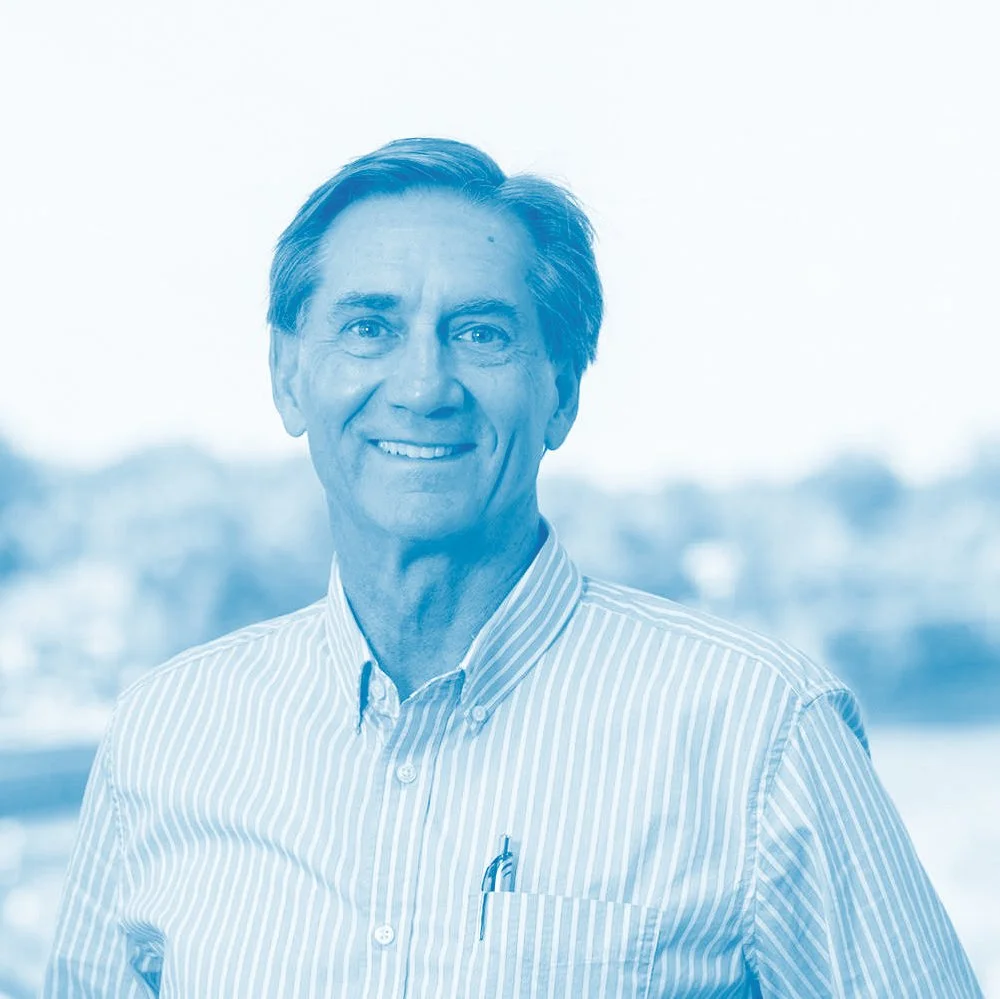
Mayor Dan Ridenour
Dan Ridenour served four years on the Muncie City Council before his election as mayor, following a thirty-year career in banking and finance as a regional manager. He volunteers with local schools and helps low-income seniors with home repairs.
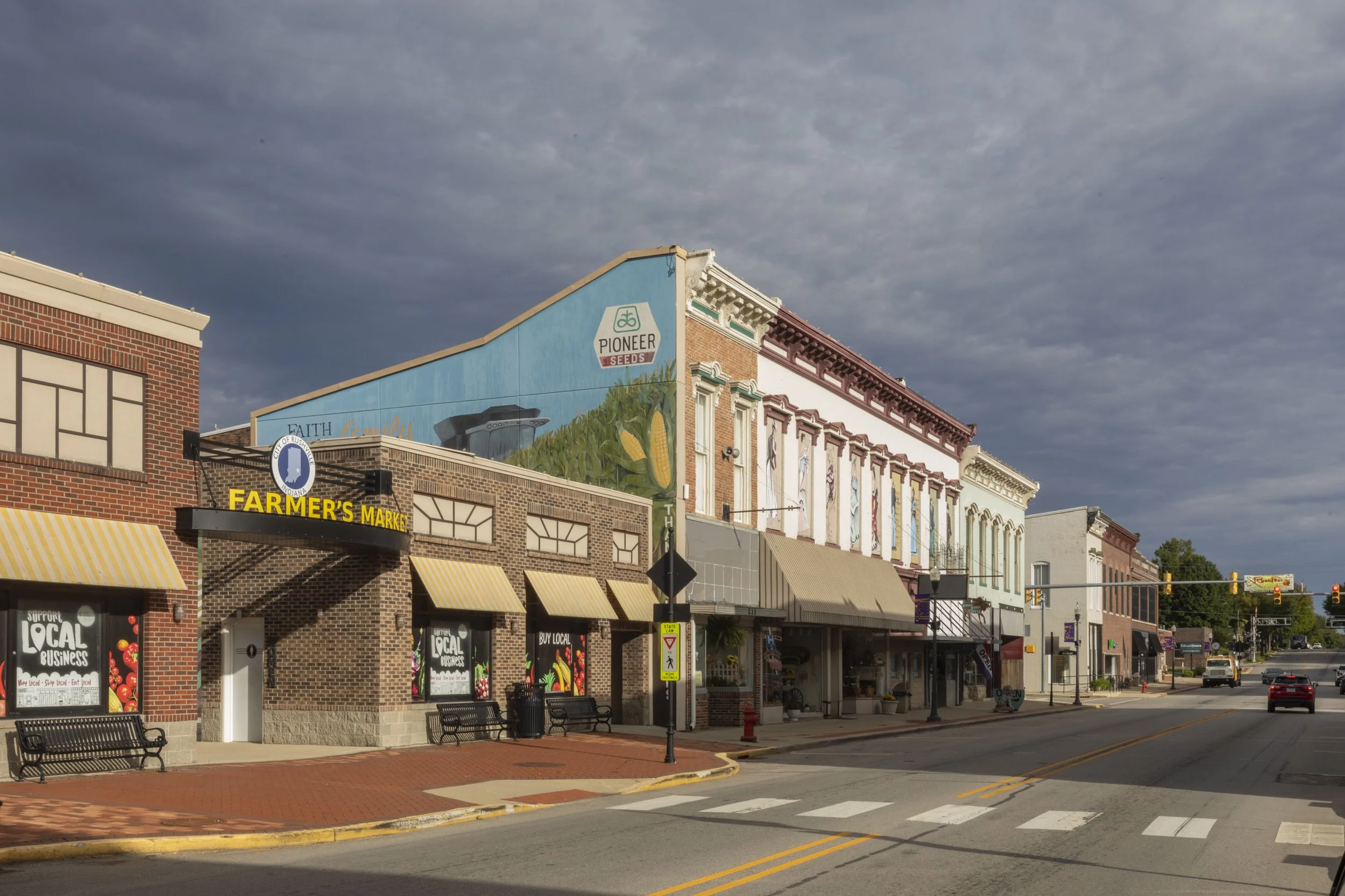
Rushville, Indiana
Rushville, the seat of Rush County in east-central Indiana, is a city of about six thousand people built around a courthouse square and Main Street with eight properties on the National Register of Historic Places.
Rushville, Indiana
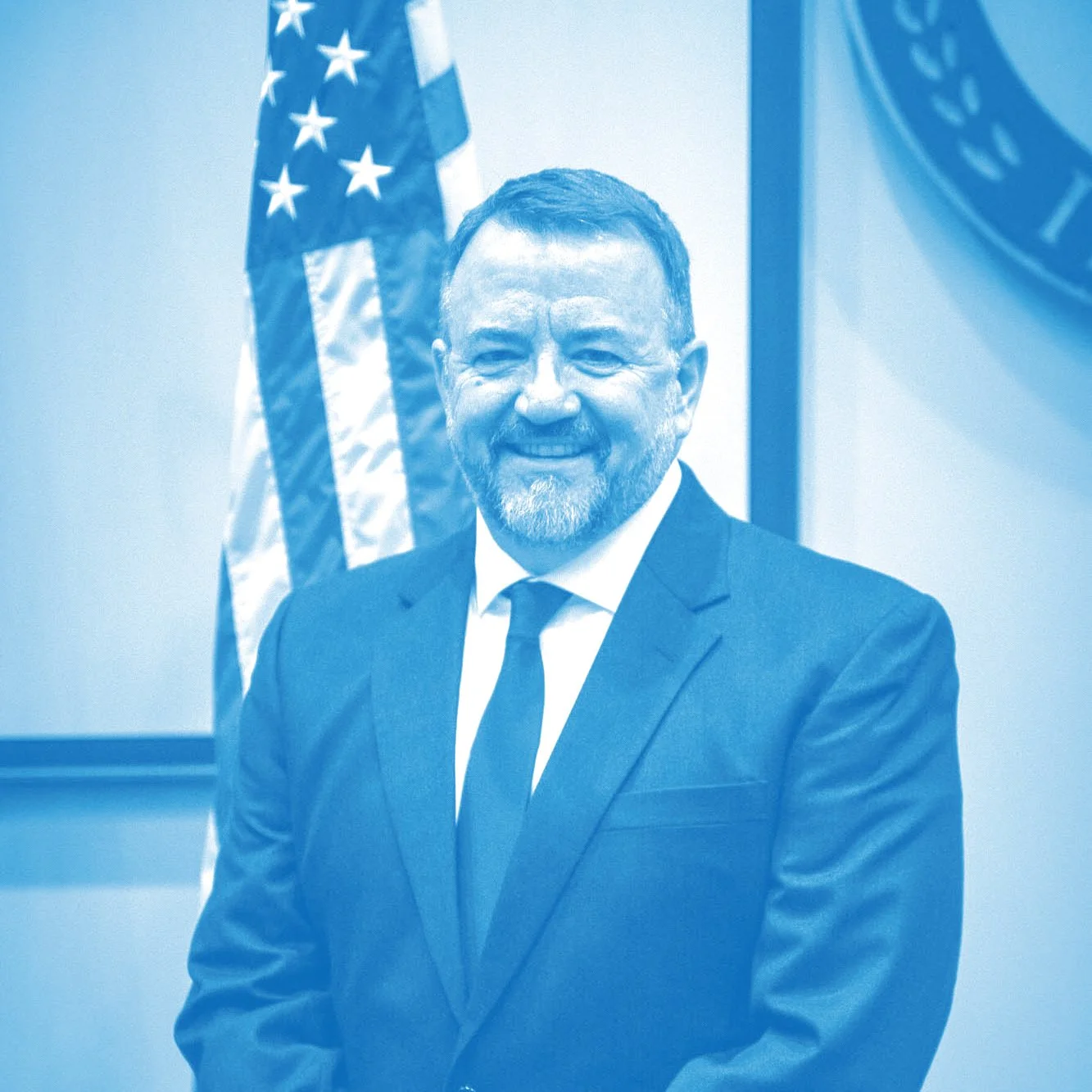
Mayor Mike Pavey
Mike Pavey has served as Rushville's mayor since 2012, after twelve years on the Rushville City Council, eight of them as council president. He trained at Purdue in architectural technology and led the revival of Heart of Rushville, a Main Street preservation program.
Terre Haute, Indiana
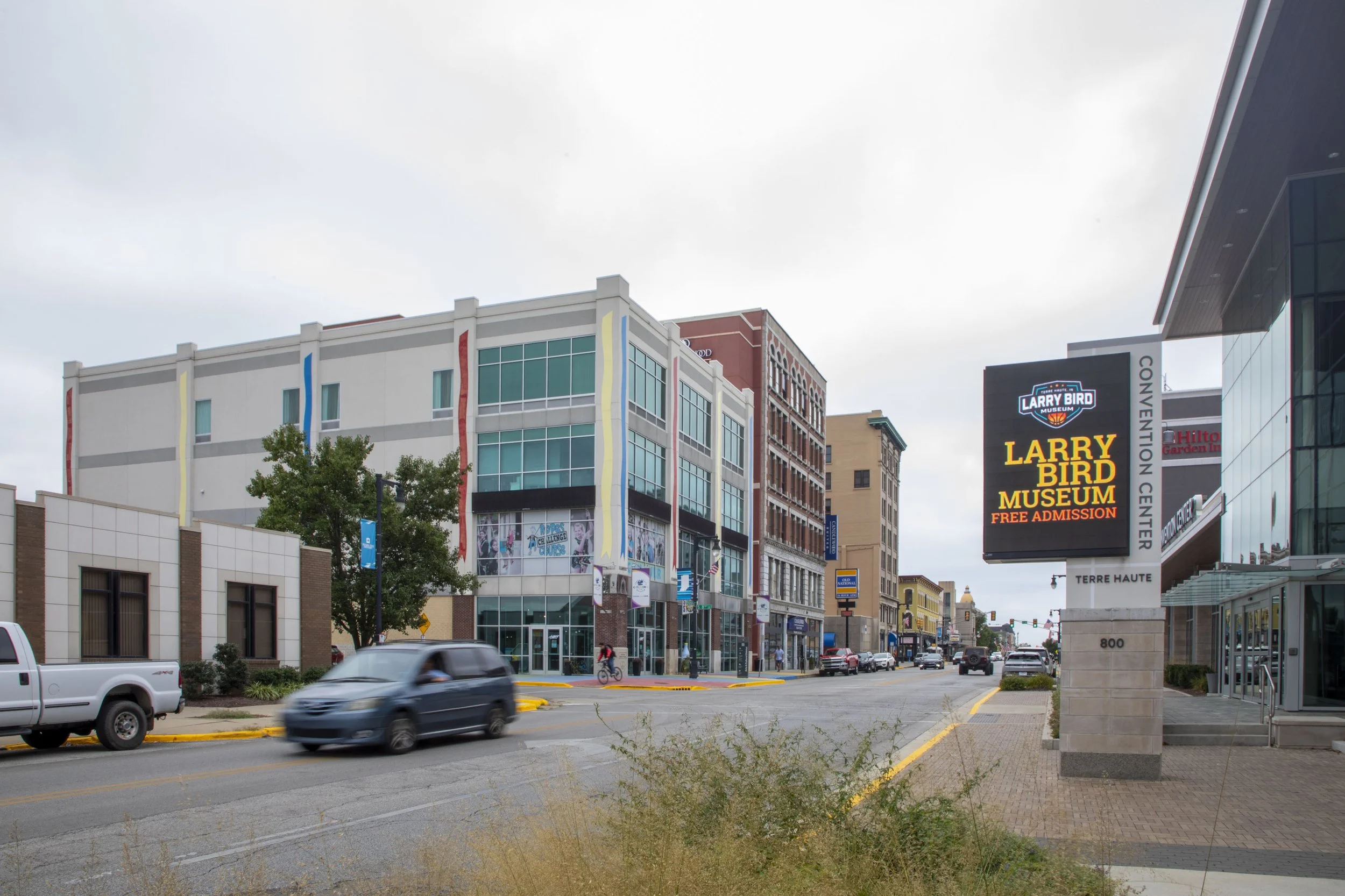
Terre Haute, the "Queen City of the Wabash," sits on the Wabash River in western Indiana, home to about fifty-eight thousand people, Indiana State University, and Rose-Hulman Institute of Technology. Its downtown has grown around an arts corridor and restored historic theaters.
Terre Haute, Indiana
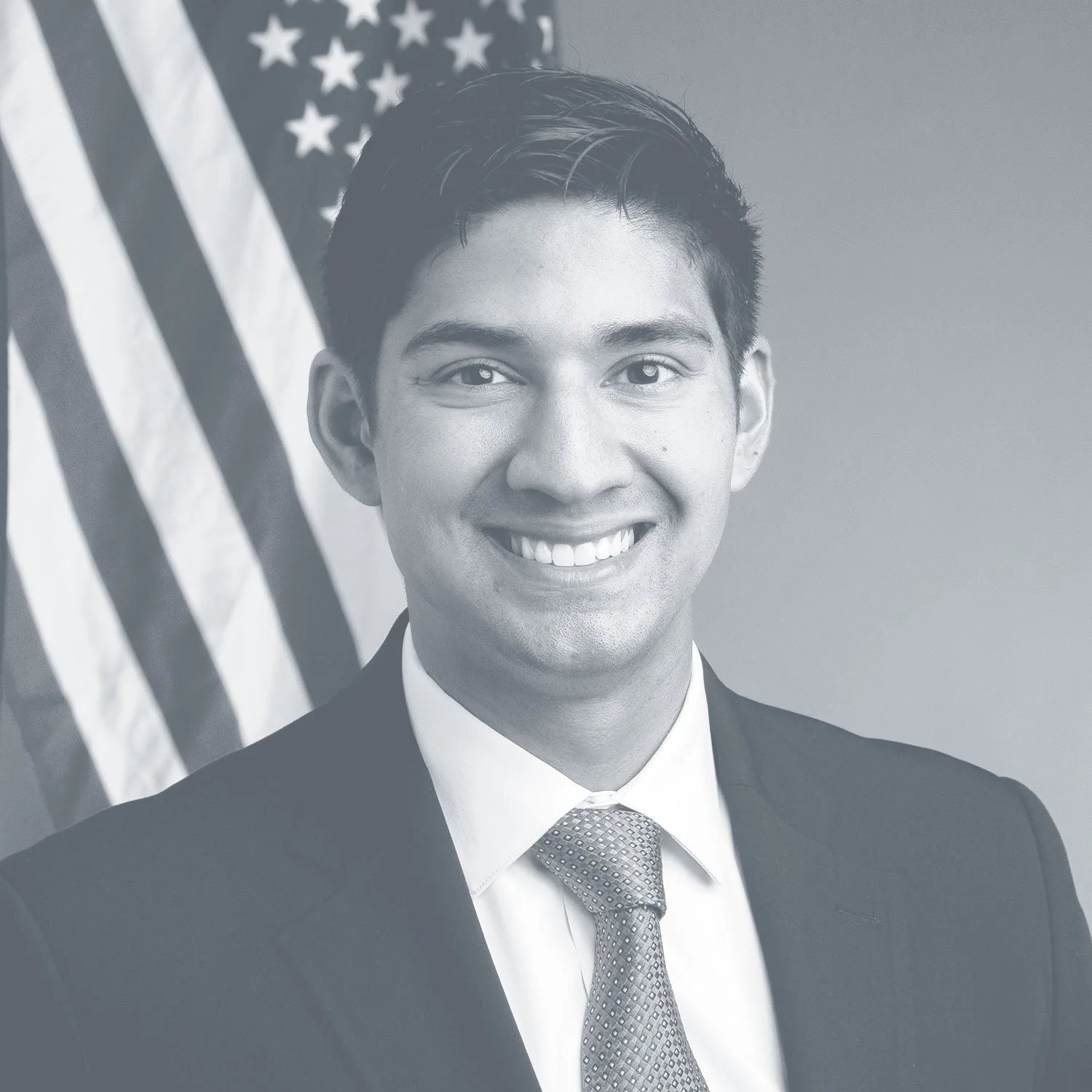
Mayor Brandon Sakbun
Brandon Sakbun became Terre Haute's mayor in January 2024 at age twenty-seven, the youngest in the city's history, after nearly five years of active duty in the U.S. Army, including two deployments with the 75th Ranger Regiment. He holds degrees in finance and public affairs from Indiana University.
Civic Design Institute
Prove It: A National Summit on Design Excellence as Civic Practice launched the Indiana Quality of Place Learning Partnership in Columbus, a two-year effort led by the Civic Design Institute. → Learn more about the Prove It Summit.
Partners
The Indiana Quality of Place Learning Partnership is produced in partnership with Indiana Governor Mike Braun, the Indiana Economic Development Corporation, and the Indiana Arts Commission. → Learn more about the Learning Partnership.
Support
The Prove It Summit Keynote, a free public event, was produced with support from Visit Columbus, Indiana and the City of Columbus.